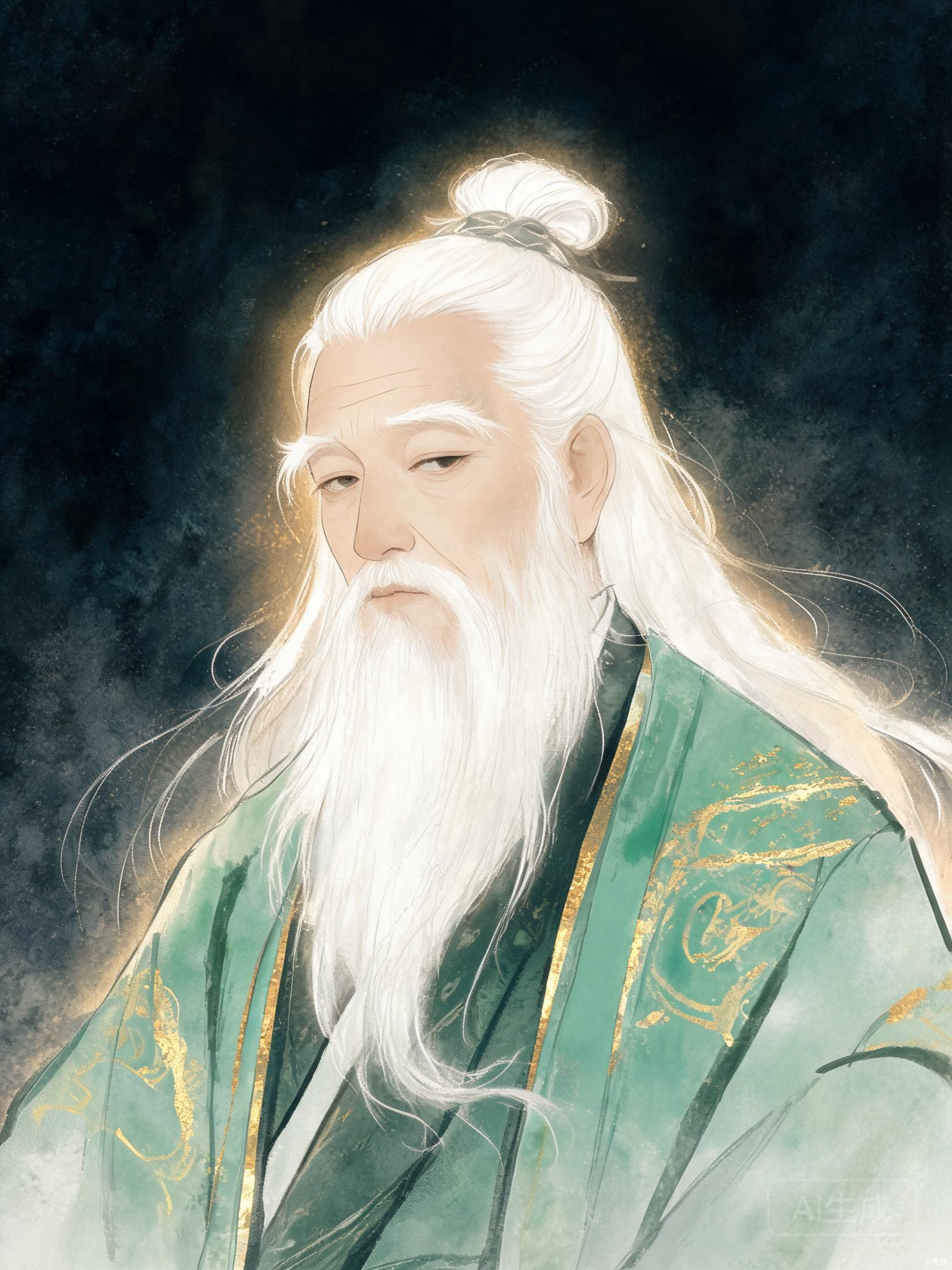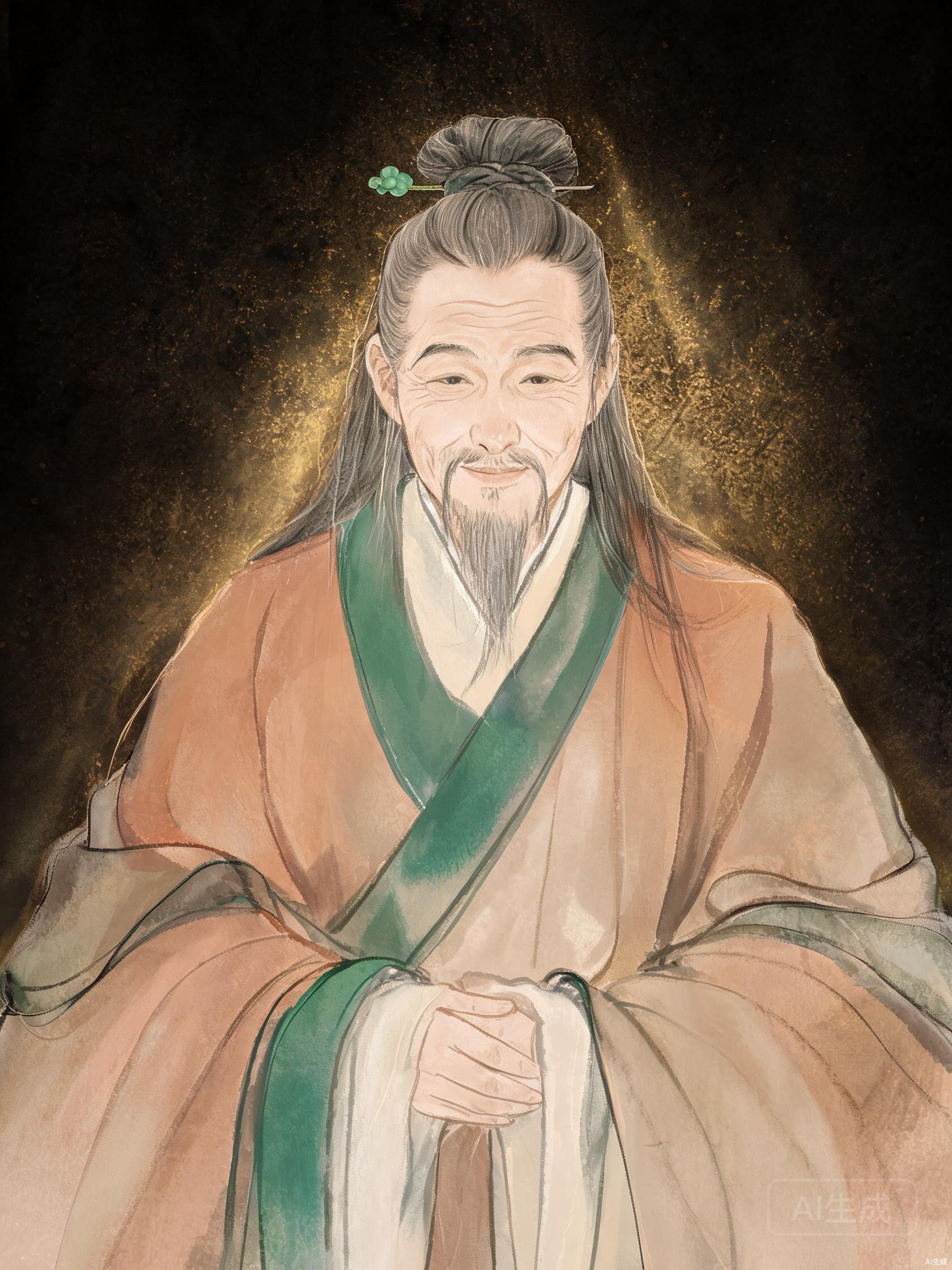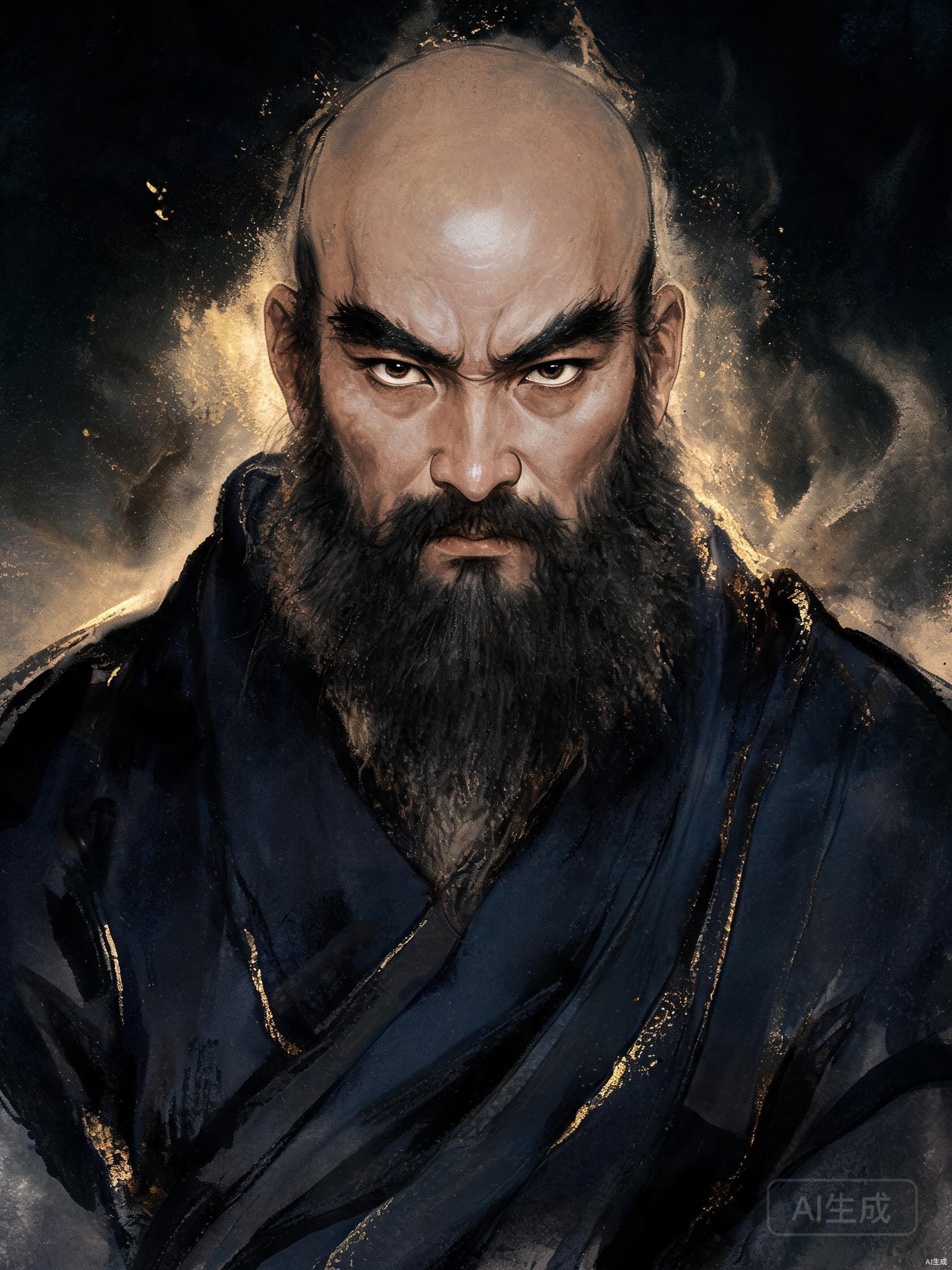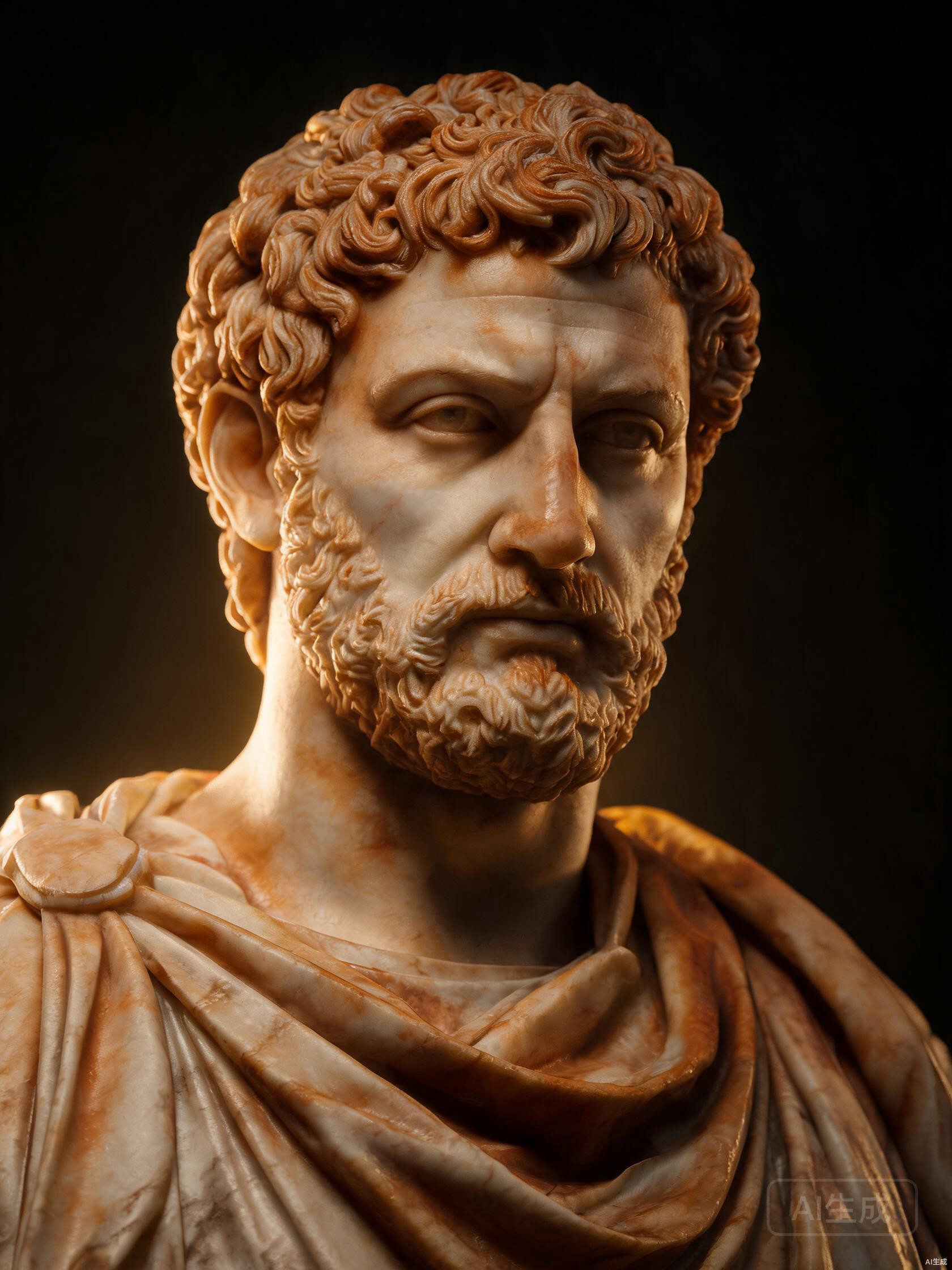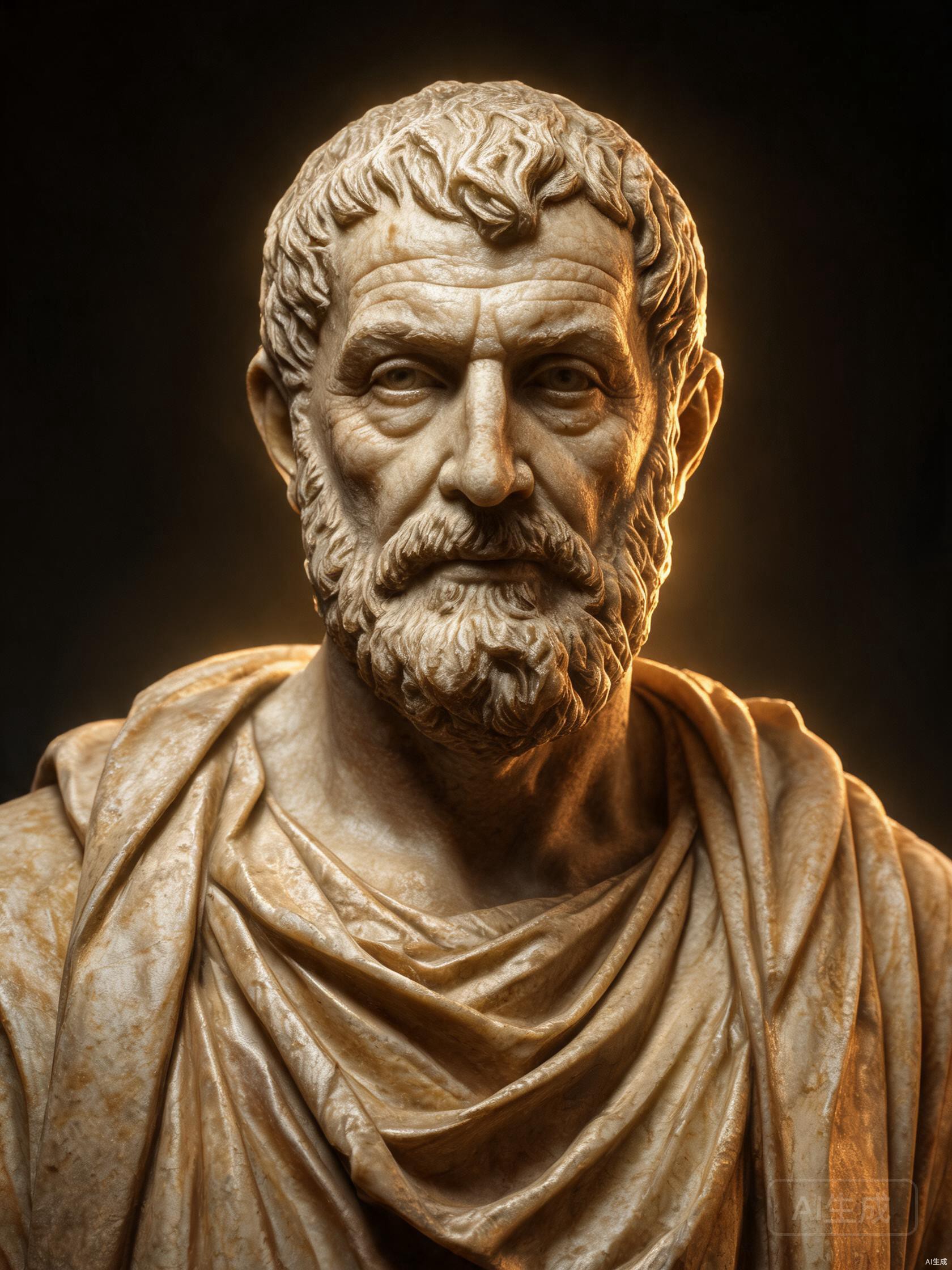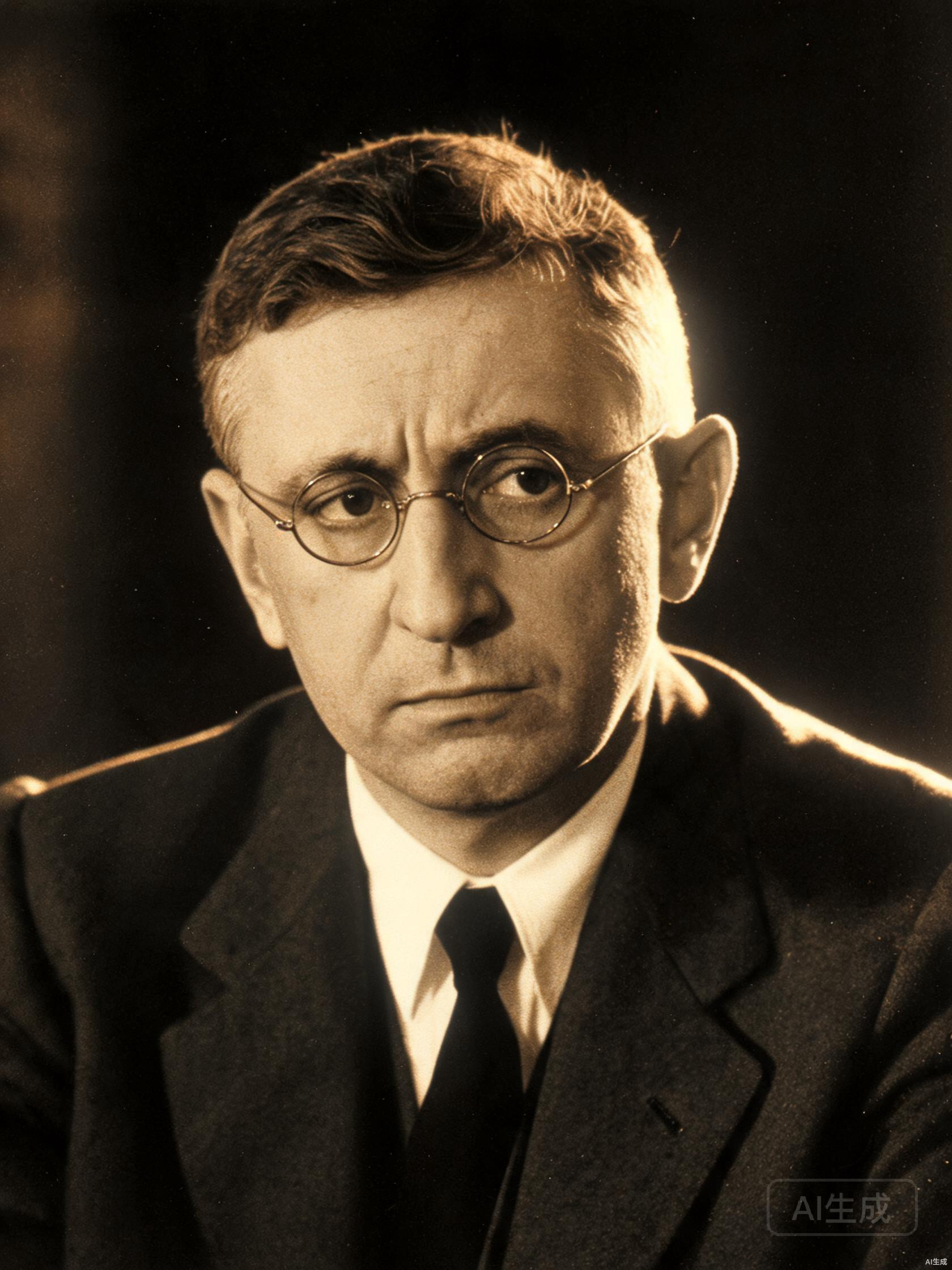
These thinkers lived thousands of years apart, on opposite sides of the world. But they were all examining the same thing: what it means to be human, and how to survive it.
The Eastern tradition asks you to stop fighting. To flow, to yield, to dissolve the rigid categories that cause suffering.

"The highest good is like water. Water benefits all things and does not contend."
Founder of Daoism and author of the Tao Te Ching. His philosophy centers on wu wei (non-action): struggling against what is causes suffering, while flowing with reality dissolves it.

"Happiness is the absence of the pursuit of happiness. Flow with whatever may happen."
Expanded Daoism with paradoxes, jokes, and fables. His key insight: perspective-shifting — what looks like disaster from one angle looks like nothing from another.

"Don't know. A mind that seeks is a mind that suffers. Don't seek anything."
Brought Buddhism from India to China, where it merged with Daoism to become Zen. Teaching: thoughts are not reality — you are the sky, not the clouds.
The Western tradition asks you to look clearly, sort precisely, and act. What can you control? What should you do next?

"You have power over your mind — not outside events. Realize this, and you will find strength."
Roman Emperor who wrote Meditations in military tents. His core teaching: the dichotomy of control — suffering comes from trying to control the uncontrollable.

"It's not things that upset us, but our judgments about them."
Born a slave, became a great Stoic teacher. His Enchiridion is the most practical formulation of Stoicism: sort everything into "within my control" and "not."

"Existence precedes essence. Man is nothing else but what he makes of himself."
Leading existentialist. Core insight: humans exist first, then define themselves through choices. You are not a finished product — you are a project in motion.
Get both Eastern and Western perspectives on YOUR situation — free.
Try Two Mountains Free